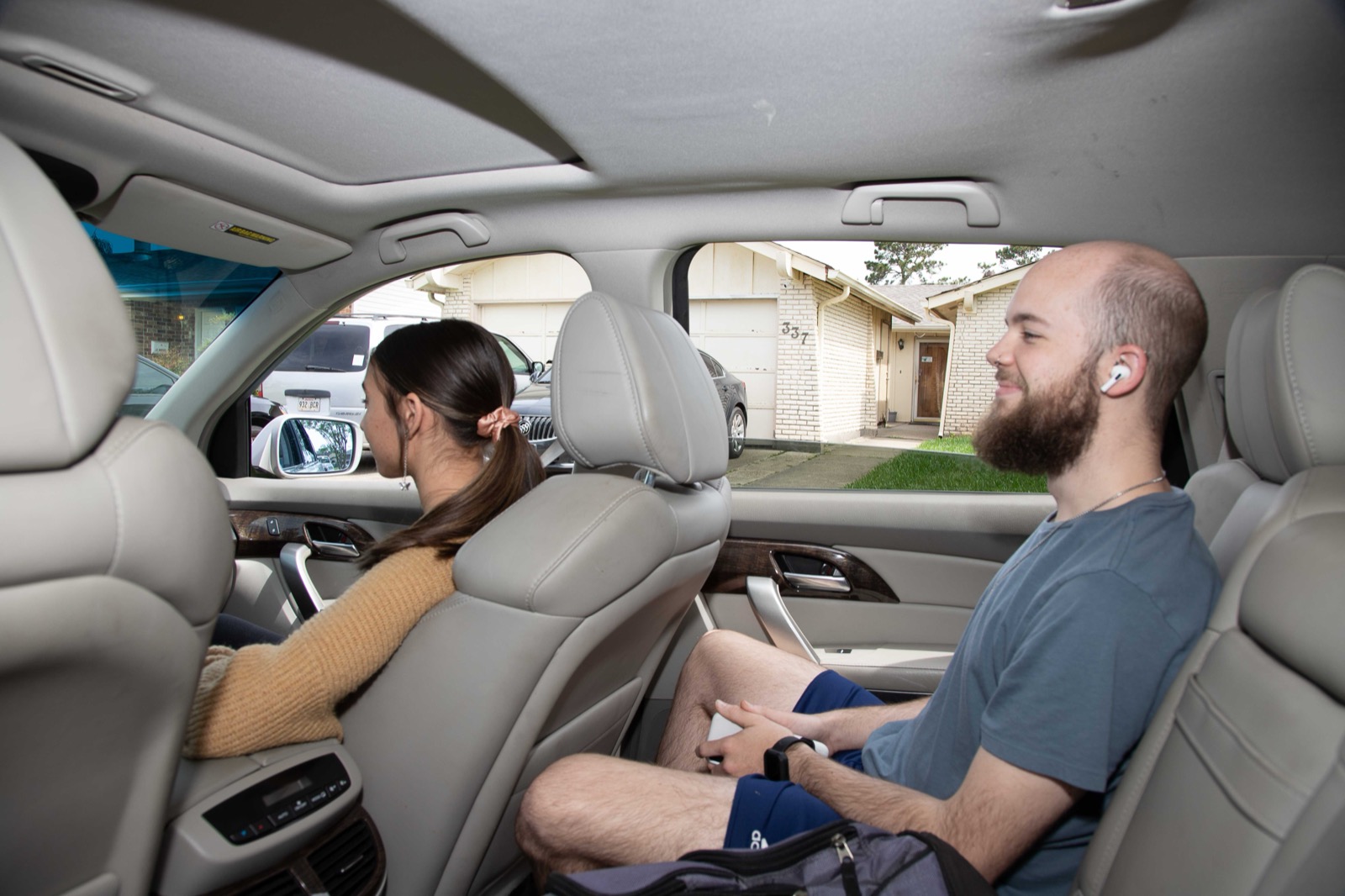
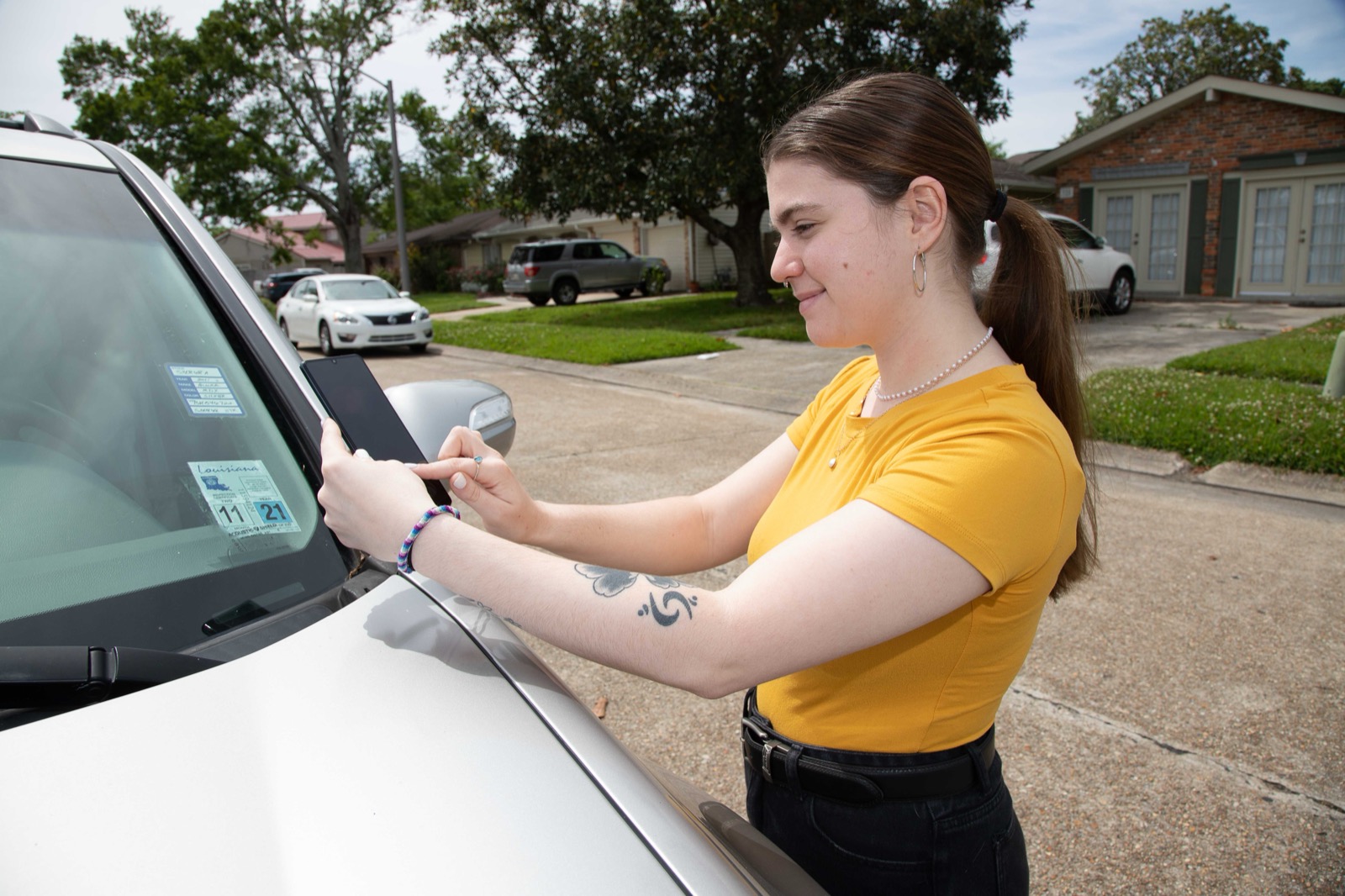

Converts inside shoulders (EB and WB) to HOV lanes. One intermediate entrance/exit near corridor midpoint. Funded by LA DOTD as a turnkey HOV Solution as a Service (HOVSaaS).
- TypeShoulder conversion
- Length14 miles
- DirectionEB + WB
- AuthorityLA DOTD
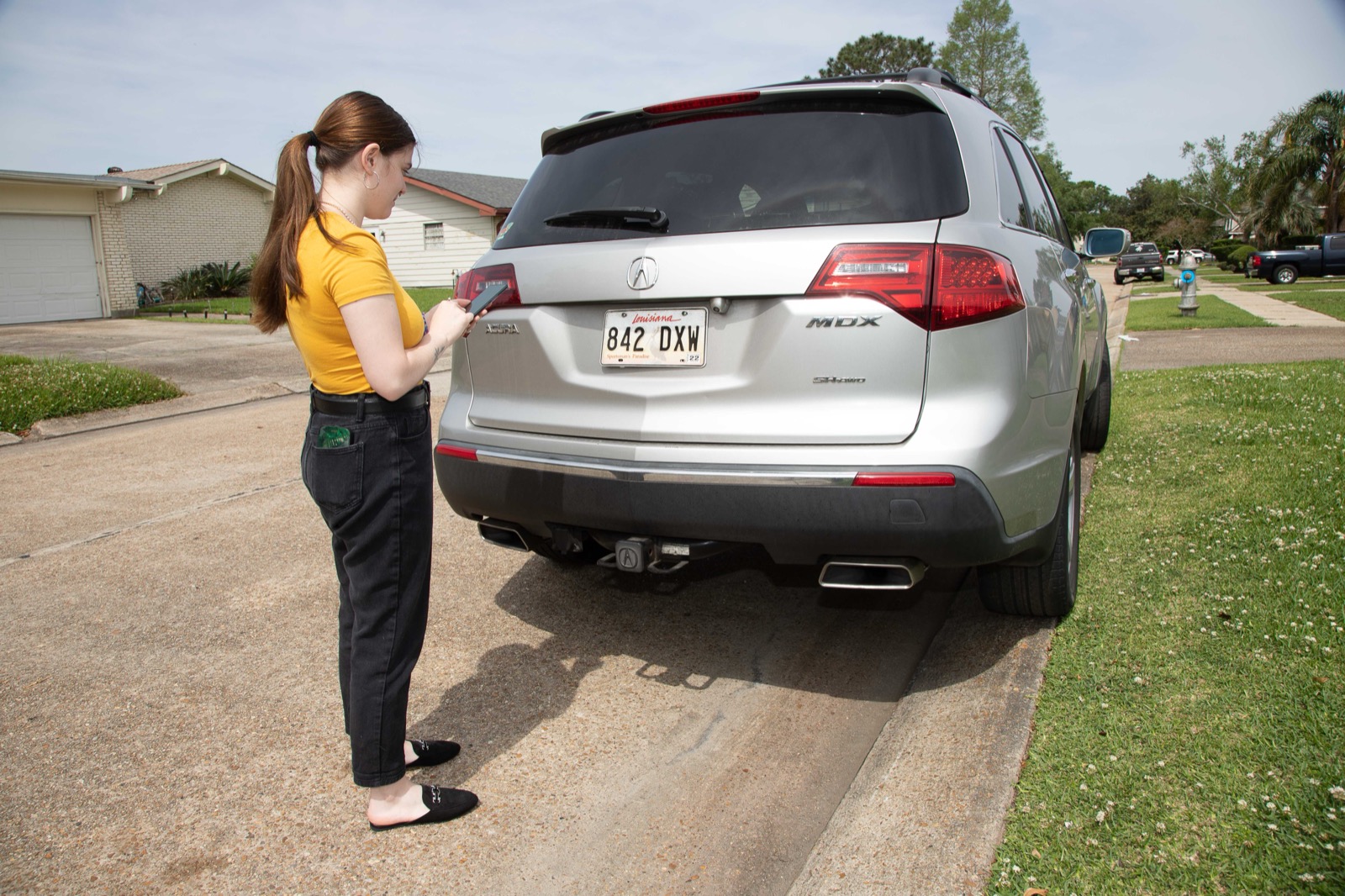
The Louisiana Department of Transportation and Development is converting the inside shoulders of I-12 into 14 miles of new HOV capacity. No widening, no new tag for citizens, no roadside personnel — the Driving Wallet does the verification.
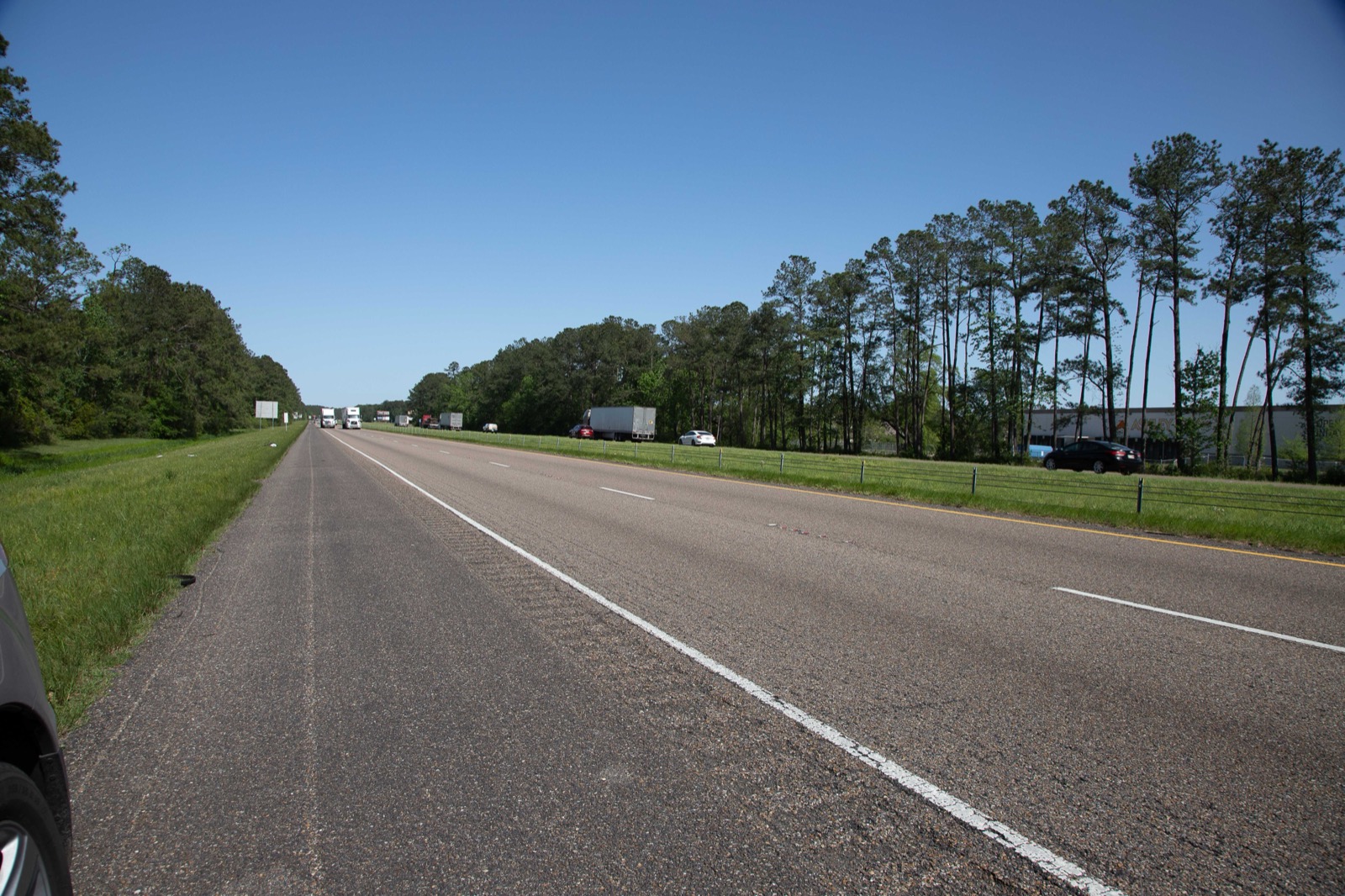
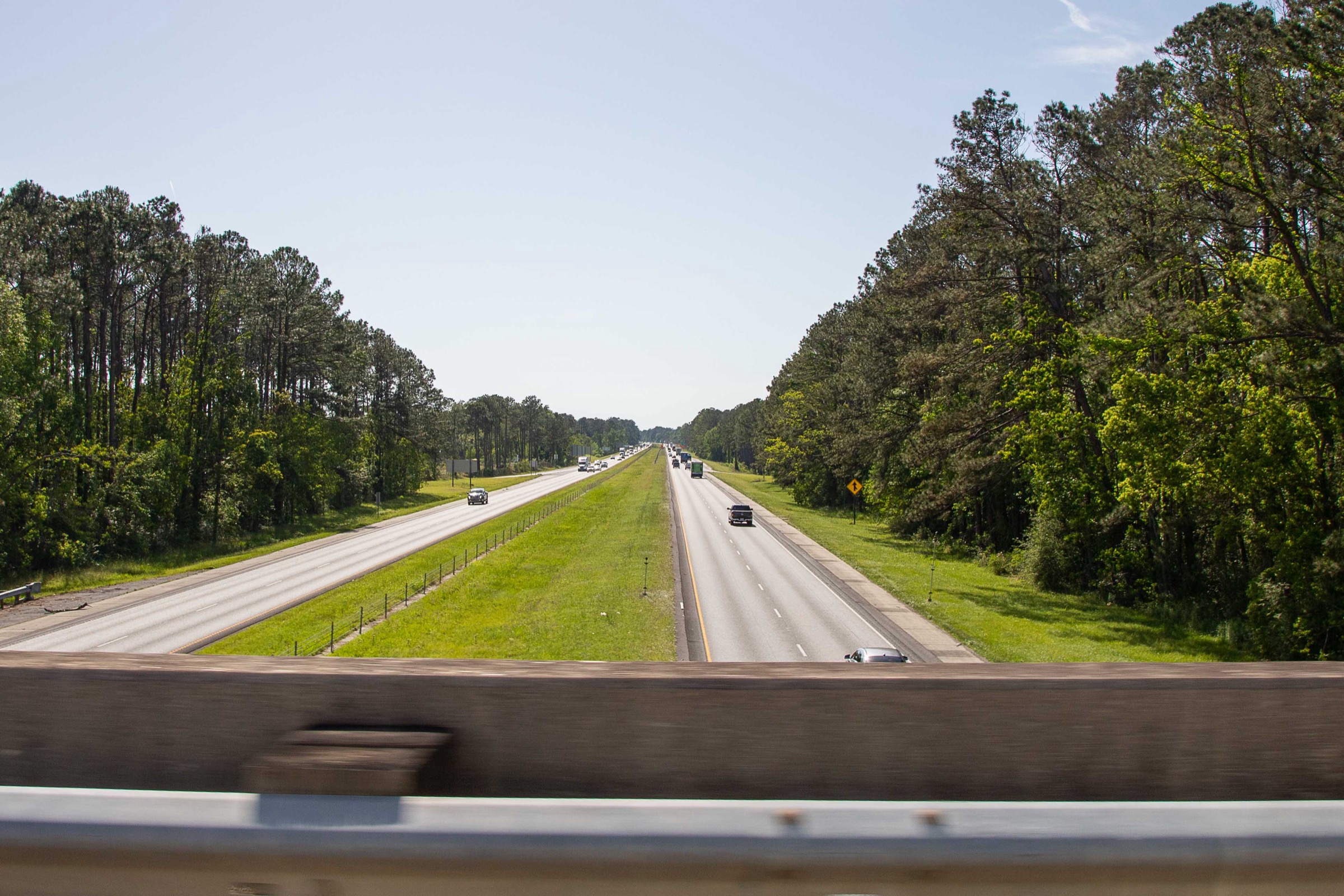
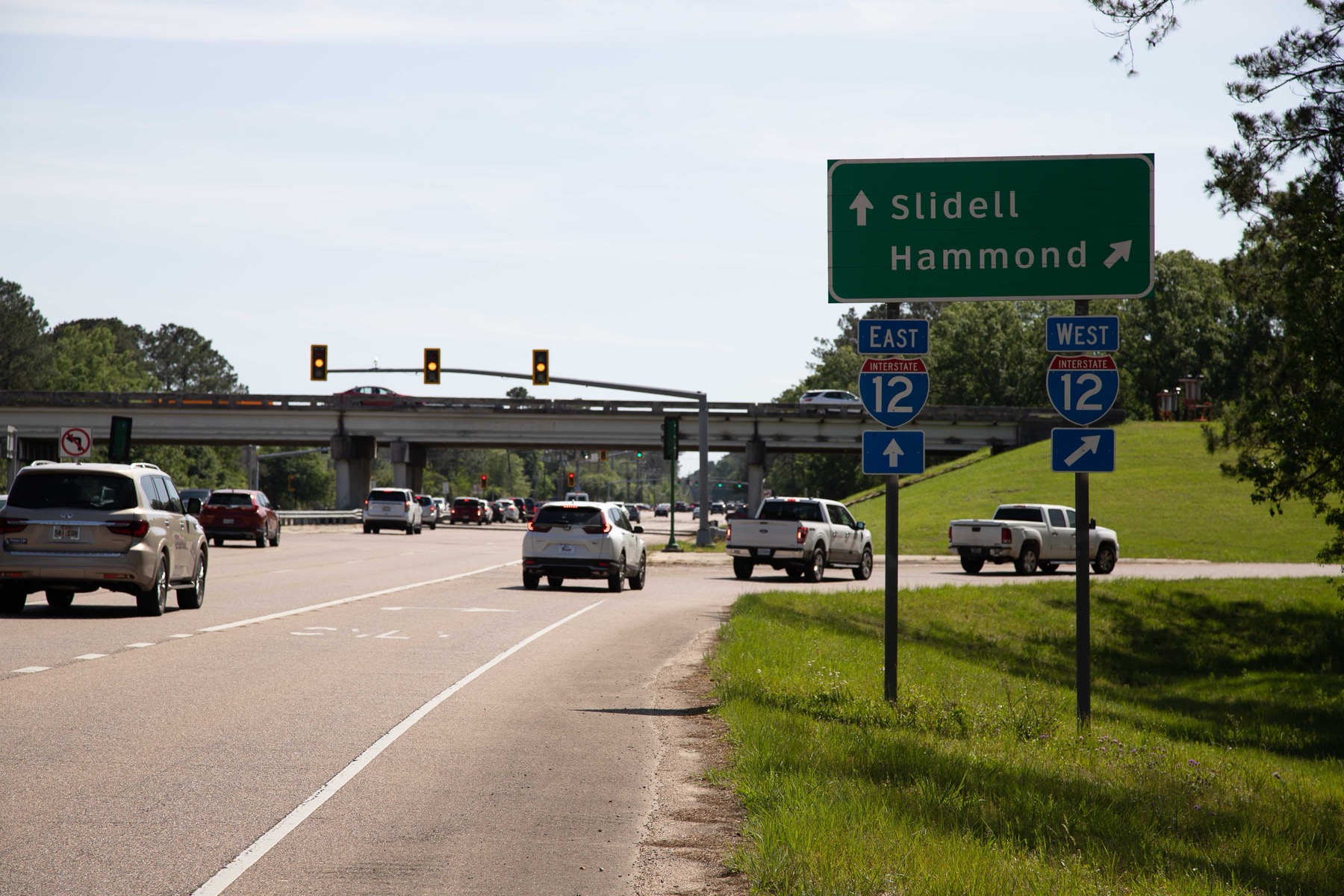
14 miles of I-12 running east from East Baton Rouge Parish into Livingston Parish — one of the most congested stretches of highway in the state, and one of the most expensive corridors to widen by conventional means. The Managed Lanes Conversion adds new HOV capacity by repurposing the existing inside shoulders. Eastbound and westbound, separated from general-purpose lanes by pavement markings only.

Converts inside shoulders (EB and WB) to HOV lanes. One intermediate entrance/exit near corridor midpoint. Funded by LA DOTD as a turnkey HOV Solution as a Service (HOVSaaS).

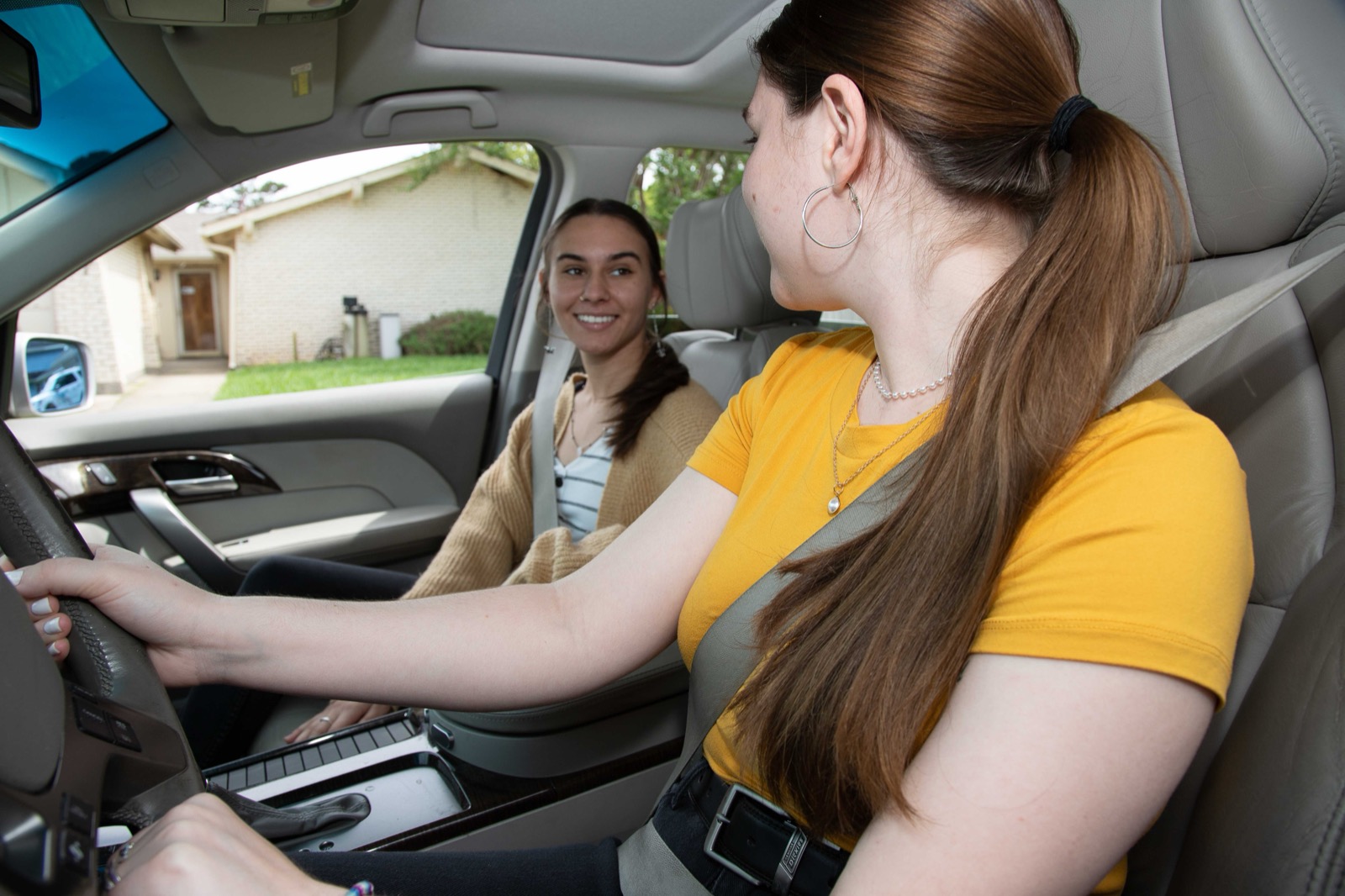
Drivers don't need a new transponder. The Driving Wallet works alongside existing Louisiana toll accounts via multi-protocol integration. HOV-eligible trips are verified through the phone; single-occupancy drivers can still use the lane for a nominal payment.
The I-12 HOV procurement was a competitive selection by LA DOTD. The agency's evaluation scored proposers in two tiers: paper qualifications (firm size, past contracts, current workload) and the proposal itself (deliverables plan, approach, QA/QC). The final award went to GoCarma on the strength of the technical proposal — Tier II — narrowly beating the incumbent toll-systems integrator.
The Louisiana I-12 conversion runs on the same coordinated-proximity verification that powers the Dallas–Fort Worth TEXpress HOV lanes in production today — 100,000+ active users, 136,000 monthly verifications, HOV violations under 2%. The Driving Wallet runs the same software in Louisiana that it runs in Texas.
The same 14-mile I-12 trip resolves three different ways depending on who's in the vehicle and whether the driver chose to pay in the app. Same lane. Same software. The driver picks the outcome.
Why this matters. No new transponder. No new toll account. The same Driving Wallet that gives Texans their HOV discount on TEXpress gives Louisianans the same three-outcome choice on I-12 — verified by the phone they already carry.
The original I-12 RFP contains a line that's become quotable in transportation circles: "User privacy is of paramount concern; therefore the use of images to verify occupancy is discouraged." Louisiana is the first state to make privacy-by-design a competitive procurement criterion. That single sentence shaped which technologies could win.
The I-12 conversion adds 14 miles of HOV capacity by repurposing existing shoulders. No widening. No new pavement. No environmental review for new right-of-way. The cost-per-mile of new managed-lane capacity drops by an order of magnitude when the verification stack is software, not steel.
GoCarma's HOVSaaS system is designed, contracted, and ready for service commencement. Phase 3 — operations and maintenance — begins on schedule when LA DOTD completes the corridor's civil infrastructure work. The Driving Wallet doesn't gate the project; the project gates the wallet.