Texas · Dallas–Fort Worth

The HOV verification standard.

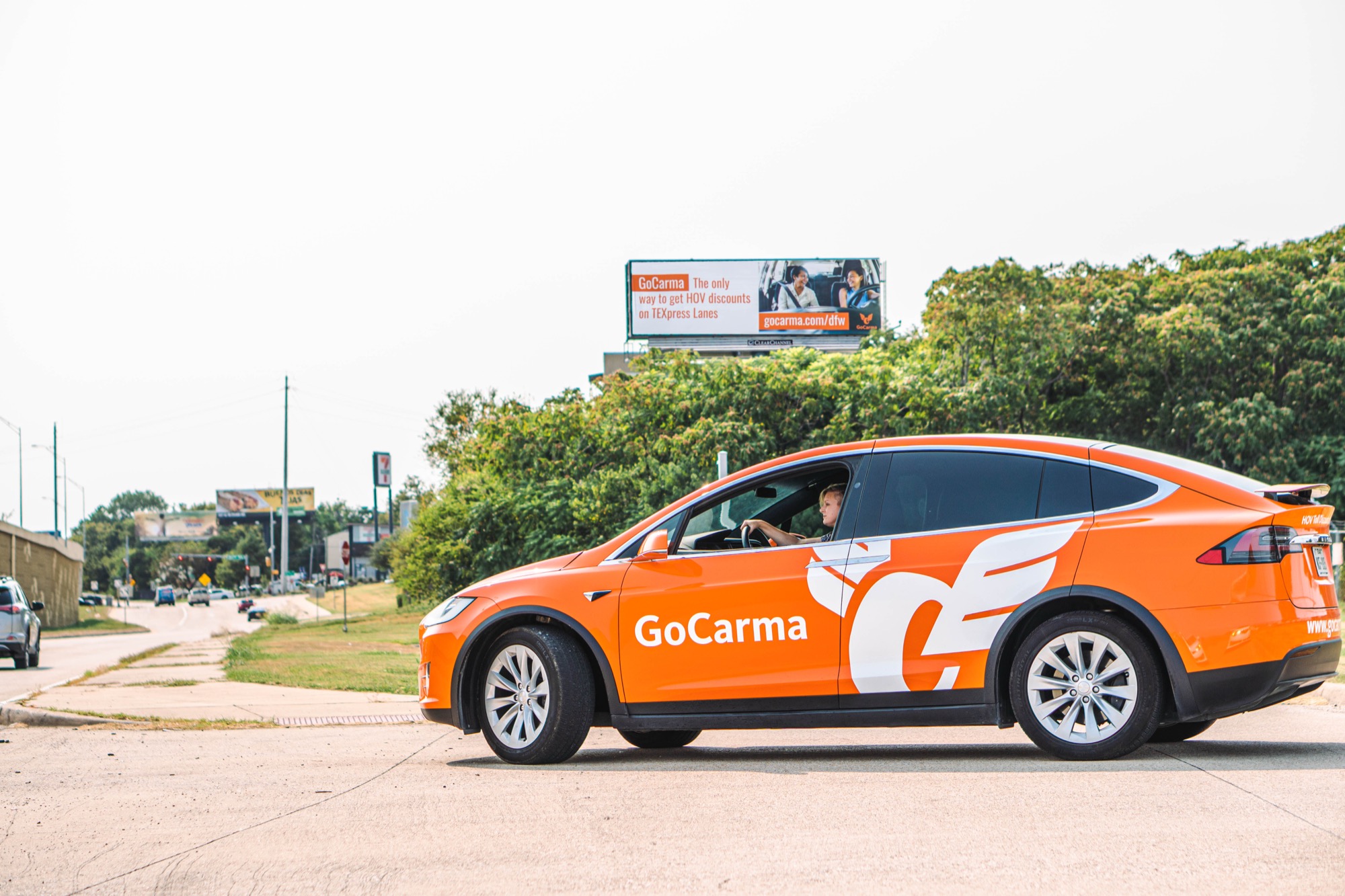
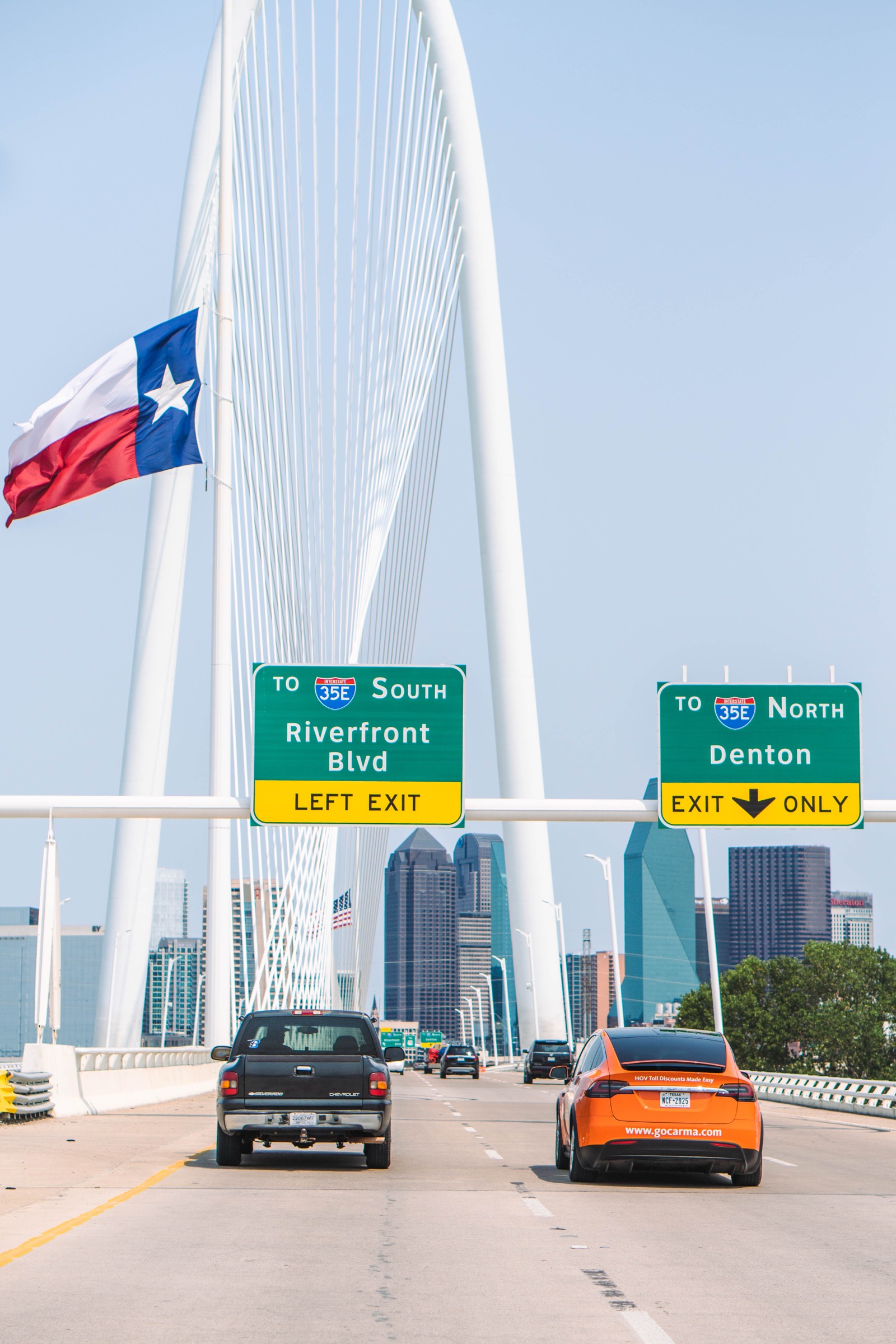
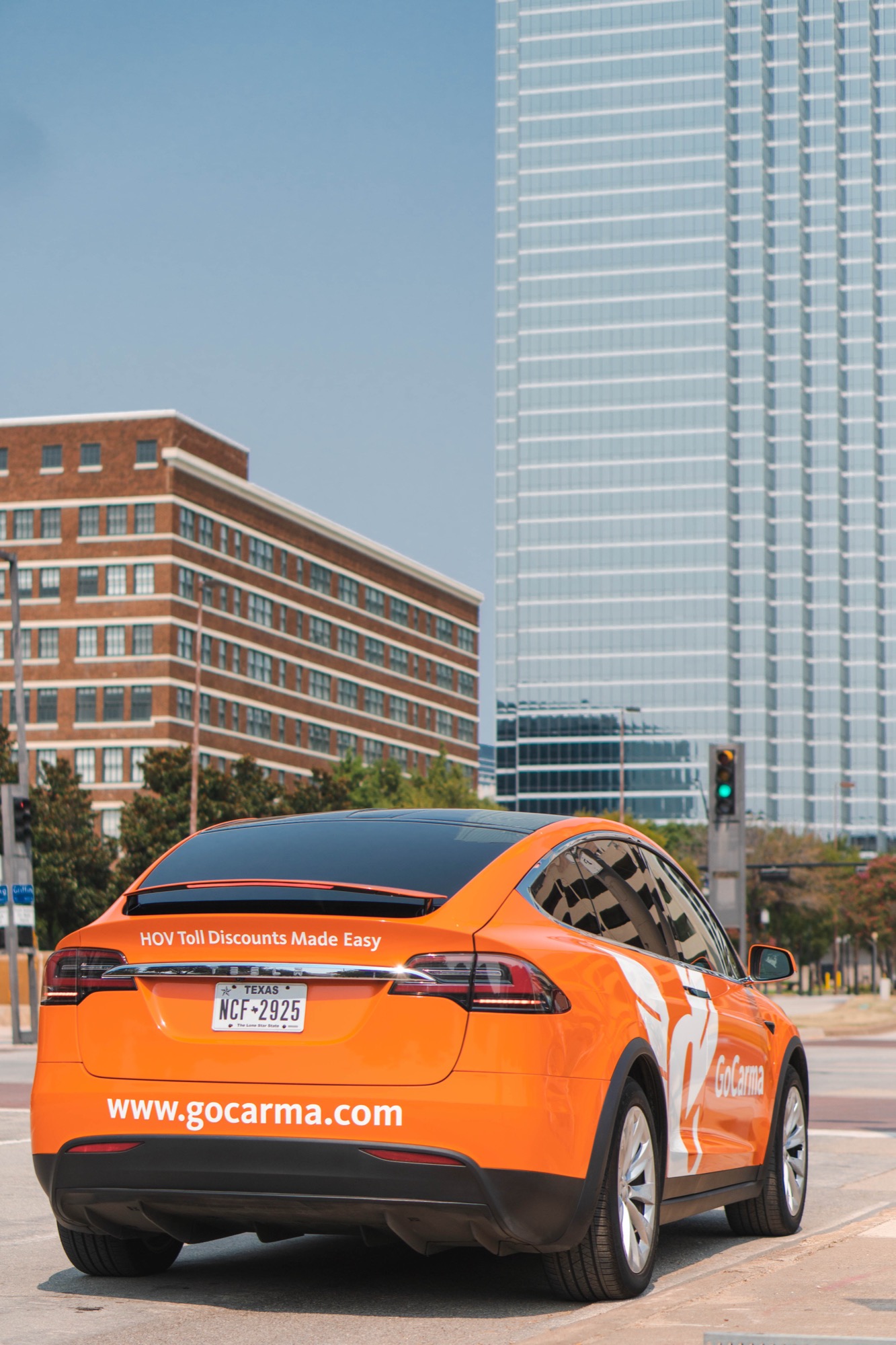
The only live smartphone-verified HOV deployment in North America. Running for years on the TEXpress Lanes in partnership with the North Central Texas Council of Governments. The proof point every other deployment leans on.
HOV · Dallas–Fort Worth
TX · TY19M4 HOV · 50% off
I-35W NB · TEXpress Lanes
4:32 — 4:52 p.m.
Check NTTA statement
HOV verified · 3 gantries
~$1.80
Detections Map
0+
Drivers using the GoCarma app
0
HOV verifications · per month
<0%
HOV violation rate · down from 30%+
In partnership with
Carma's groundbreaking technology makes it easier for toll operators to keep track of HOV drivers and reward them for doing their part for the environment. In Dallas–Fort Worth, where Carma has successfully deployed its technology already, HOV drivers are now reliably identified and tolled at half the rate of other drivers.

Mark ComptonPresident of IBTTA (2021) · CEO, Pennsylvania Turnpike Commission · on awarding Carma the IBTTA Technology Excellence Award

The impact

HOV violations: 30% → under 2%.

Before smartphone verification, more than 30% of vehicles in the DFW TEXpress HOV lanes were single-occupant cheats. After GoCarma, that number fell below 2%. The lane stopped being a free-for-all and started being what it was designed to be.

Before
>30%
More than 30% of TEXpress HOV-lane vehicles were single-occupancy violators. Discount was being given to drivers not entitled to it; HOV-eligible drivers paid a cost they shouldn't have.
After GoCarma
<2%
Smartphone-verified HOV brought violations below 2%. The economics flipped: real HOV drivers get the discount, the agency captures the revenue it was leaking, and infrastructure stays the same.
The scale

136,000 verifications. Every month.

This isn't a pilot. It's a multi-year operational deployment carrying real revenue and real eligibility. The numbers below are what the system has done at production volume.

0+
Active app users
Drivers using GoCarma for TEXpress HOV discounts
0
Monthly HOV verifications
Coordinated-proximity verification, in production
0
Gantries integrated
TxDOT TEXpress + LBJ / Cintra concessionaire
$0
Variable customer acquisition
Driver-onboarding paid by the discount itself
0
New roadside infrastructure
Reuses existing TEXpress gantries and back-office
100%
Interoperable with NTTA
Works alongside the existing TollTag account system
Automating the process of verifying occupancy on these roadways also eliminates the need for roadside enforcement, which makes the road safer and less congested. All in all, this is an innovative solution that we're sure will catch on among tolling operators across the country.

Mark Comptoncontinued

How it works

Coordinated proximity. No cameras.

The DFW deployment uses smartphone-to-smartphone coordinated proximity to verify HOV occupancy. Two or more phones in the same vehicle, traveling the same speed and trajectory, equals a verified HOV trip. No cabin cameras, no thermal imaging, no roadside hardware. The privacy model every agency RFP now asks for.

01
Detect.
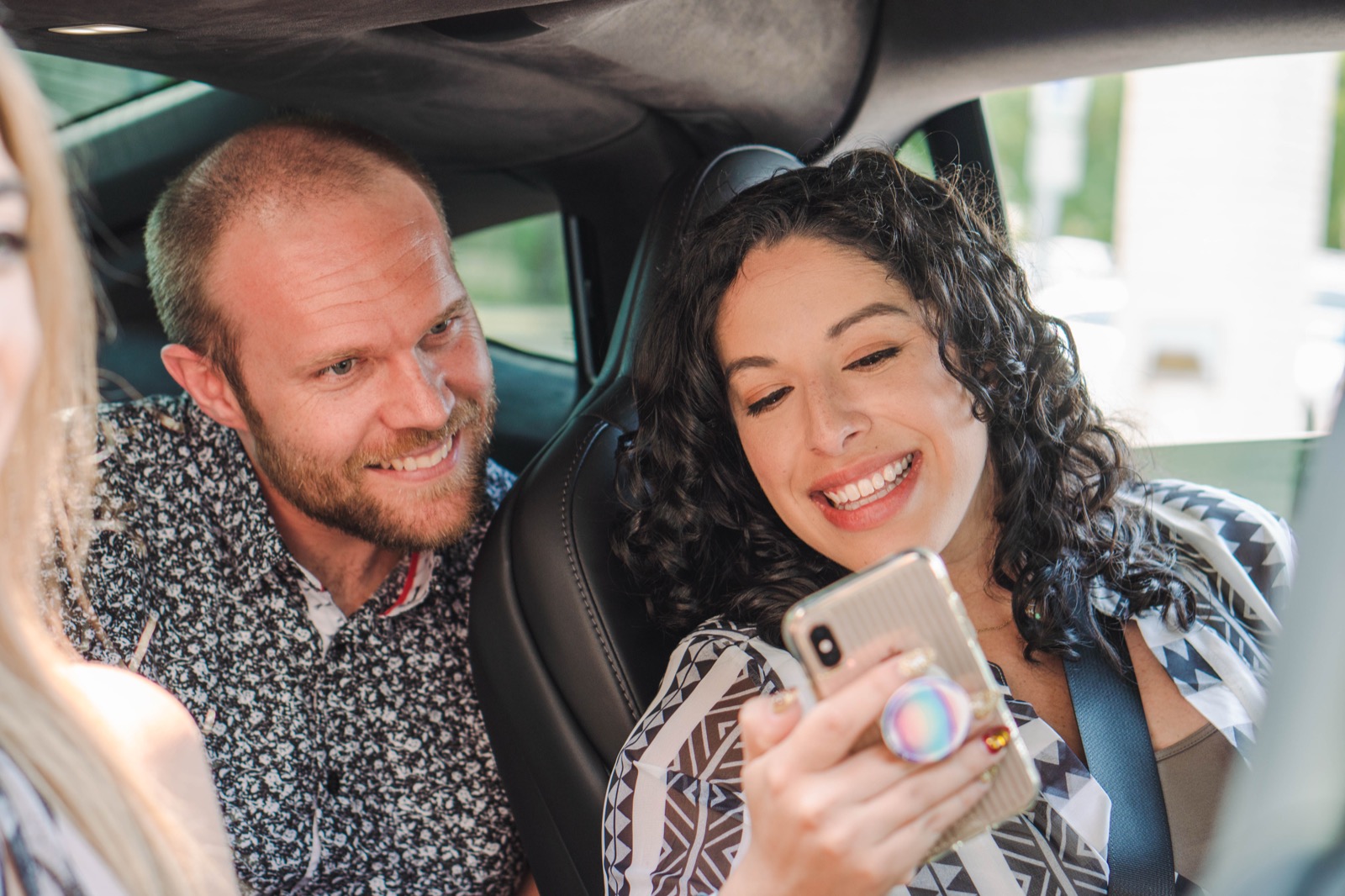
Driver enters the geo-fenced TEXpress corridor. The app wakes, identifies co-passengers' phones over Bluetooth, and logs the trip.
02
Apply.
If two or more phones are co-present and co-moving, the HOV discount applies in real time. No driver action.
03
Settle.
Discount posts to the customer's NTTA toll statement through existing back-office integration. Same tag, lower toll.
The partner

North Central Texas Council of Governments.

I can't speak highly enough about working with Carma. The company understands the industry and offers unrivaled partnership.

Dan LamersSenior Program Manager, Transportation Planning · North Central Texas Council of Governments

NCTCOG, the regional MPO for the Dallas–Fort Worth metroplex, has been the program's anchor partner from launch. The TEXpress system spans 100+ miles of managed lanes across multiple counties; the GoCarma deployment integrates into that network without changing its physical footprint.

Why DFW is the proof every other deployment uses

When Seattle's WSTC ran the SR 520 pilot, the comparison wasn't to a theory. It was to a system already running at production scale in another state. When Louisiana procured the I-12 HOV conversion, the operational reference was DFW. Every smartphone-tolling and HOV conversation in U.S. tolling traces back to this corridor.

What's next

From HOV to everything.

DFW is the staging ground for capability transfer to other regions. CDM Smith's recommendation to Washington that smartphone HOV verification be tested on its express toll lanes maps directly onto the DFW capability. The Louisiana I-12 conversion will run on the same software. So will the next wave.

Capability transfer

The DFW production stack — coordinated-proximity verification, back-office integration, in-app communications, fraud detection — is the reference architecture being adapted to Seattle, Louisiana, and the next regions in the pipeline.

Beyond HOV

The same wallet running TEXpress HOV runs the Driving Wallet's broader programs: tolling, congestion pricing, road usage charging, parking, transit, VMT credits. One driver, many programs, one settlement layer.

Dallas–Fort Worth · Case study

Read the full Dallas–Fort Worth case study.

Deployment timeline, the TEXpress HOV-verification integration, accuracy + fraud-reduction metrics across the live NTTA / Cintra network, and what the agency sees in the back-office.

Could this run on your network?